

 Opening Times

One minute you’re relaxing by the pool. The next, you’re checking your phone to see whether smoke from nearby wildfires will affect your flight home. For many travellers, that’s becoming an increasingly familiar part of a summer holiday.
Over the past few years, Europe has experienced record-breaking temperatures, widespread wildfires and prolonged heatwaves. While these events aren’t stopping people from travelling abroad, they are changing how many of us think about our holidays.
Our latest research reveals that UK holidaymakers are adapting to a new reality. Rather than cancelling trips altogether, many are rethinking where they travel, when they go and how they prepare for hotter summers.
Wildfires are becoming part of the summer holiday experience
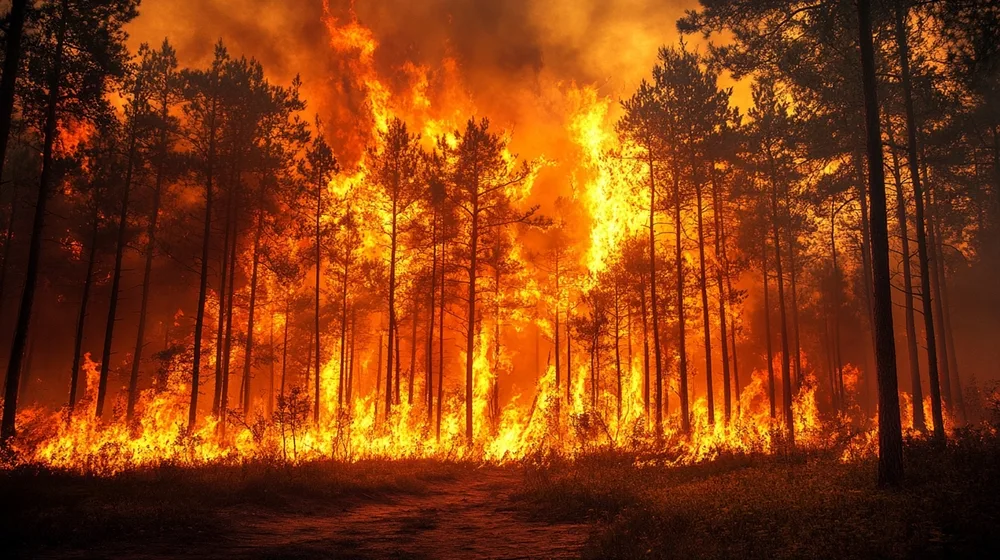
Wildfires are no longer isolated incidents. In recent years, destinations including Greece, Spain, Turkey, Portugal and France have all experienced significant wildfires during the peak holiday season.
Our research found that 22% of UK adults have experienced wildfires while on holiday in recent years, highlighting just how common these events are becoming.
Despite this, the appetite for travel remains strong. Three quarters (75%) of UK adults say they’re planning a holiday abroad this year, suggesting that while travellers are aware of the risks, most aren’t letting them stop them from getting away.
Instead, many are finding ways to adapt.
Are Europe’s hottest destinations becoming too hot?
Successive summers of extreme heat are making people think differently about future holidays.
More than half of UK adults (51%) say climate-related factors will influence their holiday plans over the next few years. For some, that means travelling during spring or early autumn instead of the height of summer. Others are considering destinations where temperatures are likely to be more comfortable.
When asked which destinations could become too hot to visit within the next five years, people most commonly named:
| Destination | Percentage |
| Turkey | 26% |
| Greece | 26% |
| Spain | 24% |
Not everyone is ready to swap the Mediterranean, however. More than a third (38%) say they’ll continue visiting their favourite summer destinations, even if temperatures continue to rise.
It’s not just the heat people are thinking about
Climate change isn’t only associated with soaring temperatures.
Around 68% of UK adults believe some popular holiday destinations could be underwater by 2050 because of rising sea levels.
Among the destinations people most frequently mentioned were:
- Venice (29%)
- The Maldives (24%)
- Florida Keys (16%)
- Seychelles (15%)
- The Bahamas (13%)
- New Orleans (10%)
- Bangkok (9%)
- Amsterdam (9%)
While these findings reflect people’s perceptions rather than scientific predictions for individual destinations, they show that climate change is becoming part of the conversation when planning future holidays.
Travellers are adapting rather than giving up holidays
Rather than staying at home, many holidaymakers are changing the way they travel.
Some are choosing cooler destinations, while others are looking beyond the traditional beach holiday altogether.
According to our research, the types of holidays people are increasingly considering include:
- Nature and wellness breaks (29%)
- Walking holidays (22%)
- Camping trips (19%)
- Wildlife holidays (13%)
- Sailing holidays (7%)
These shifts suggest travellers are looking for experiences that better suit changing weather patterns while also helping them reconnect with nature.
How to stay safe during extreme heat and wildfire season
If you’re travelling during the summer months, a little preparation can make a big difference.
Here are a few simple ways to stay safe:
- Check local weather forecasts before and during your trip.
- Monitor air quality if wildfires are affecting the area.
- Stay indoors during the hottest part of the day where possible.
- Choose accommodation with air conditioning if travelling during peak summer.
- Drink plenty of water to stay hydrated.
- Wear loose-fitting, light-coloured clothing.
- Pack sunscreen, sunglasses and a wide-brimmed hat.
- Avoid strenuous exercise during periods of extreme heat.
- Declare any medical conditions when buying travel insurance and check what your policy covers before you travel.
If you have a medical condition, speak to your GP or healthcare professional before travelling to discuss any precautions you may need to take.

What does this mean for future holidays?
Climate change is undoubtedly changing the way we travel, but it isn’t bringing holidays to an end.
Instead, people are becoming more flexible. Some are choosing cooler destinations or travelling outside the busiest summer weeks, while others are simply taking extra steps to prepare for hotter conditions.
Garry Nelson, Head of Corporate Affairs at InsureandGo, said:
“Despite recent heatwaves and geo-political tensions, the UK Government has reassured travellers that there is currently no need to cancel or change holiday plans this summer. Our survey shows that demand for holidays abroad remains strong. While successive summers of extreme heat and wildfires have presented challenges for many, our research suggests people are adapting to the new normal of sizzling summers across Europe. Some are changing where and when they travel, while others are focusing on how to stay safe in soaring temperatures.
Wherever you are travelling, make sure you have sorted your travel insurance so that you can go without the doubt.”
Summer holidays aren’t disappearing – they’re evolving. As weather patterns continue to change, being flexible, staying informed and planning ahead can help you make the most of your trip, whatever the forecast.
The research was carried out by UK Omnibus Group among a nationally representative sample of 2,000 UK adults in May 2026.
